

By Dr. Carolyn Barshay
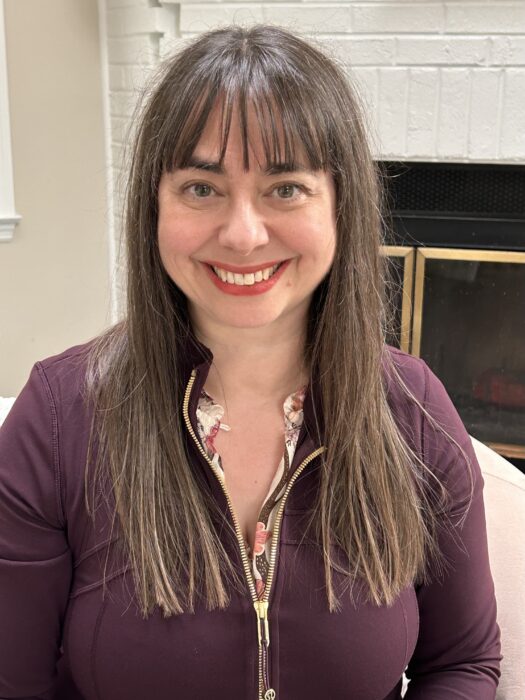
Dr. Carolyn Barshay is a professional archaeologist. After completing her degrees, she became a Consulting Scholar at Penn Museum and a Research Associate at the University of Toronto. From Canada originally, she lives in New Jersey with her husband, where she is a researcher, scientific writer and mom. In addition, she volunteers in literacy and social action endeavors.
One topic that is dear to our hearts is literacy. Reading in childhood is very important to the individual and to our society, not just to be able to decode words and learn how to spell, but because reading develops deeper, sustained, thought, as well as the ability to analyze and synthesize information. It’s hard these days to get people to read. We have so many other distractions and we are so used to instant everything.
Many moons ago, on a trip to England, I was riding the coach bus from Heathrow airport, when I saw a billboard telling people to read to their kids. I remember thinking that if they need to tell people this, on a huge billboard no less, it must be because many weren’t doing it.
In the past decade, we have had so many more distractions than ever before that it is affecting nearly everyone in terms of their reading ability. With easy access to tablets and phones given to so many kids, attention spans have not developed. So, reading became harder and more of a chore for many. Then the problem only magnifies in later years at school. Teachers are finding that teens and young adults cannot handle reading a whole novel. The response has been to modify the curriculum to include only excerpts, not only in High School, but also in University, further compounding the problem.
All this to say that one has to use that beautiful early childhood window as critical learning years to make reading enjoyable and a habit. The years before having a tablet or phone, before the plethora of activities or busy social life with friends. As the world heads towards more A.I. and easy summaries, we need the ability to think for ourselves to safeguard our freedoms and identity, to be the gatekeepers of our society. It’s critical that we be able to read complex passages and synthesize them. To do that, our brain needs exercise in sustained thought. Reading makes us think, pause, reflect. It slows us down, which is much needed in this busy, fast-paced, world because complex problems need reflection. In addition, fiction develops the imagination, which is critical to creativity in other spheres, such as innovation.
Rose Horowitch wrote a thorough analysis about this topic recently in the Atlantic (August, 2026), She outlines so well what we gain from reading and the joy and personal growth that she gets from writing. Recently, I reflected on my own childhood reading experiences. My reading has certainly changed, but one thing that has stayed constant is that I always read. In my teen years I read so many classics: The Count of Monte Christo, the Moonstone and Crime and Punishment. I also had a phase where I read a lot of Zola books.
In University, my reading shifted, it was devoted to textbooks and later, to science articles. That is still the majority of my reading today, or other non-fiction books and magazines covering world affairs or parenting, but I’ve re-incorporated fiction. My older daughter was loving Harry Potter in her elementary years and encouraged me to read them. I think that was a turning point for me. It probably took me 2 years to read all 7 (my teenage self would be dismayed). But I am a mom, a wife, a researcher, with a lot less leisure time. More specifically, though, my time is fragmented. That is maybe the most difficult aspect of reading in adulthood, at least for me. Don’t get me wrong, I would often read a few dense scientific papers in a sitting as work, but leisurely fiction seemed like a privilege I no longer had and a splurge to which I was no longer entitled. I’ve been able to read beach reads and I’ve enjoyed many middle grade novels after Harry Potter, but Classics, with longer sentences and slower pace, that was tougher. That kind of reading takes time and practice. So recently, I went back to reading Jane Austen. Little Women is a book I’ve wanted to get into…maybe that will be next. The point is, if reading is part of you, it stays a part of you.
So, how can we boost literacy? My advice is read to the teeniest, tiniest ones and don’t stop until they are clearly reading on their own.
Buy high-contrast and soft crinkly books when they are under 6 months old
Go to a baby readers/storytime class at your local library or booksellers where a book is read out loud while the kids crawl or sit
Read books when they are potty training: you want them to sit for a while, so sit next to them and read to them. Soon they might be pointing out words to you.
Buy a new book every time you go on vacation: it’s as special as cool snacks. Keep it hidden until the ‘big reveal’ on the trip.
Read to a dog or stuffed animal: some libraries and animal shelters have such programs. This helps readers build confidence in reading aloud. The dog won’t judge and often likes the company.
Sign up for every summer reading program for kids in your area (library, booksellers). Kids are so excited to complete the board and win a free book.
Volunteer at literacy organizations. Some, like BookSmiles in S NJ, pack donated books to distribute to book deserts. Others pair an adult with a child in a school who could benefit from extra one-on-one reading time.
Read extra fun books together. One of my all-time favorite books to encourage reading is Elephant and Piggie ‘We are in a Book’. It’s fantastic! And it will make your child want to read it over and over just to help these characters.
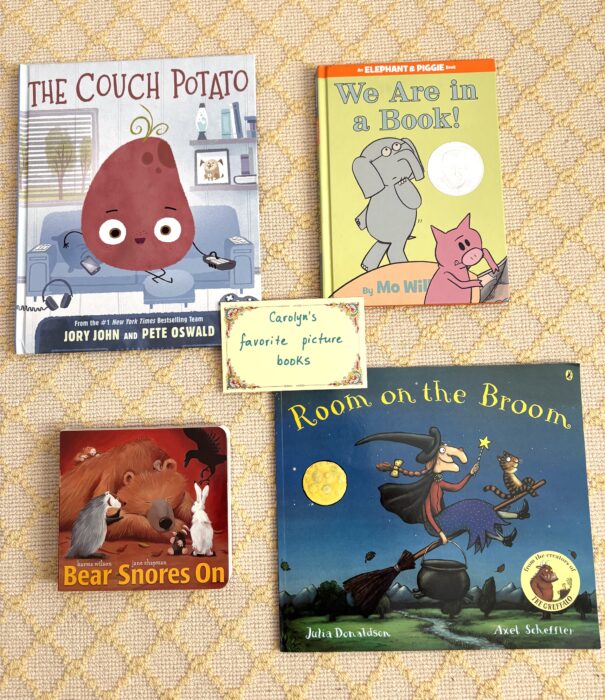
What I read to my kids!
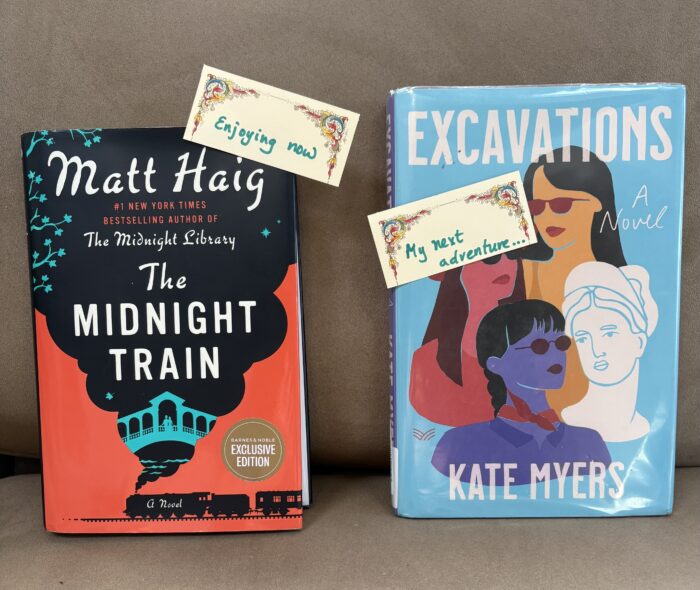
What I am reading now!
Leave a Reply